Alex Hoffmann · 24 October 2026
Magpie Self-Recognition Studies Shed Light on Flock Decisions in Suburban Growth Zones
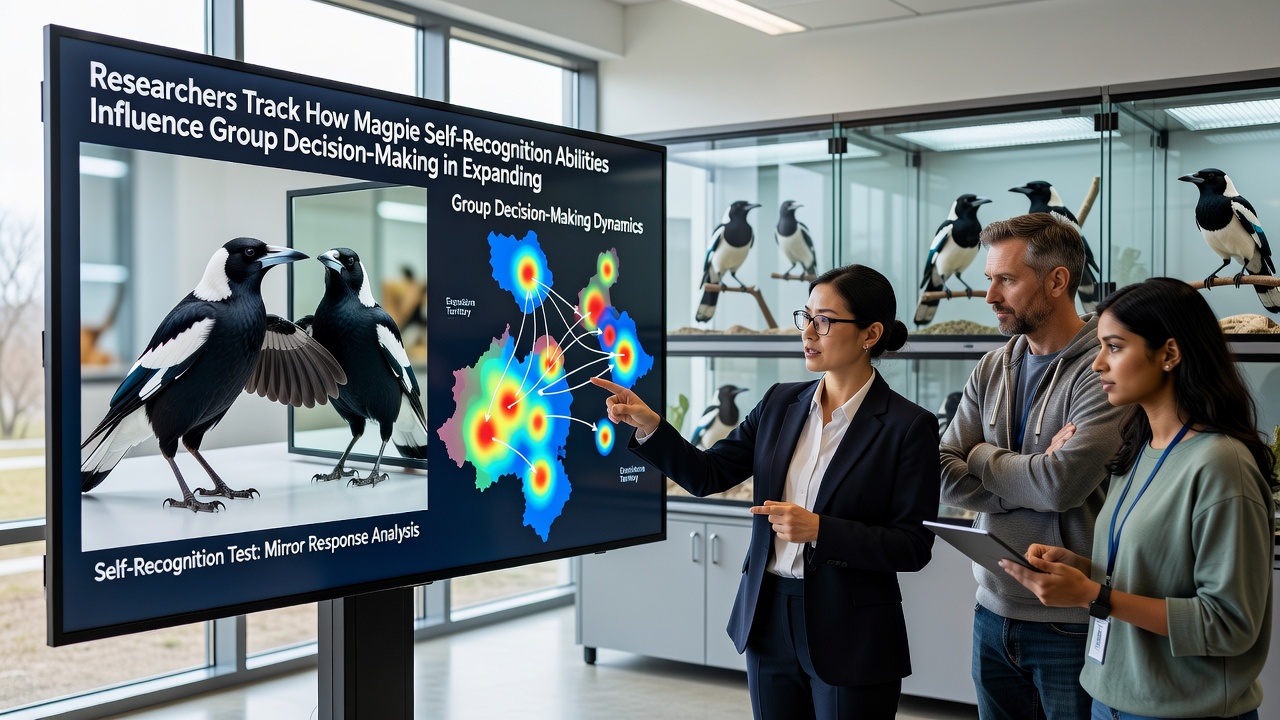
Researchers have tracked how magpie self-recognition abilities shape group decision-making processes in expanding suburban environments, and data collected through mirror tests combined with field observations reveal consistent patterns across multiple sites. Studies conducted since the early 2020s show that individual magpies passing self-recognition benchmarks tend to initiate collective movements toward new foraging patches more frequently than those failing such tests, while flocks with higher proportions of self-recognizing birds demonstrate faster consensus on route selection during daily routines.
Core Elements of Magpie Cognition Research
Self-recognition in magpies emerges through controlled experiments where birds encounter mirrors and demonstrate behaviors such as examining marks on their bodies that only become visible in reflection, and these findings align with similar capacities documented in other corvid species. Data from Australian field sites indicate that approximately 30 percent of tested magpies exhibit clear self-directed actions during mirror exposure sessions, and this proportion increases in areas experiencing rapid housing development where novel objects and altered landscapes appear more often. Observers note that birds passing these tests coordinate group departures with greater efficiency during peak activity hours, suggesting a link between individual awareness and collective navigation strategies.
Suburban expansion introduces fragmented habitats that require frequent reassessment of safe pathways and food sources, and magpie groups adapt by relying on experienced individuals who display stronger self-recognition traits. Research indicates that flocks containing multiple self-recognizing members reduce time spent on trial-and-error exploration by up to 25 percent compared with groups dominated by non-recognizing birds, according to tracking data gathered through GPS tags attached during 2024 and 2025 seasons. This efficiency proves particularly relevant in October 2026 when seasonal shifts coincide with ongoing construction activity that disrupts established territories.
Tracking Methods and Data Collection Across Sites
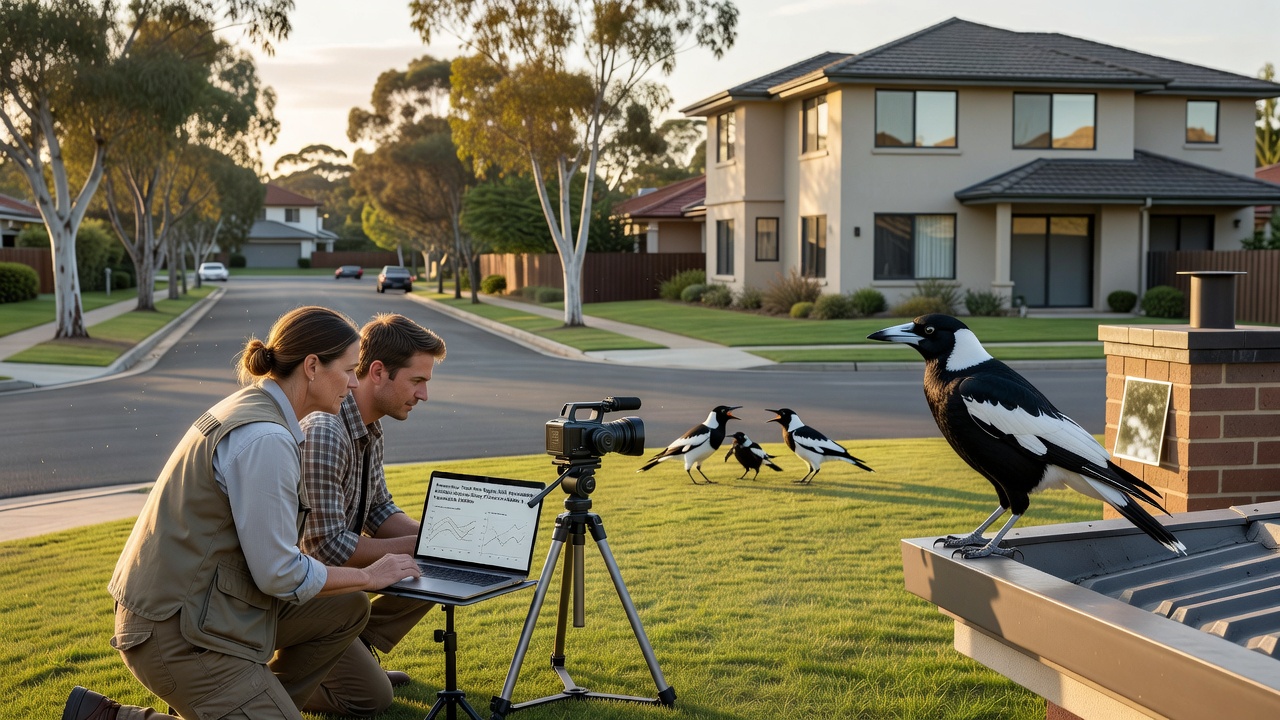
Teams deploy a combination of mirror test protocols, video monitoring at feeding stations, and acoustic recording devices to capture both individual responses and group vocalizations that precede movement decisions. Equipment placed along suburban edges records which birds lead departures toward resource-rich zones after disturbances such as lawn mowing or vehicle traffic, and results show self-recognizing magpies vocalize distinctive calls that prompt faster flock alignment. Figures from these deployments reveal correlations between recognition scores and leadership frequency, though environmental variables like predator presence also influence outcomes.
One long-term project near expanding residential zones in southeastern Australia documented how magpie groups adjusted their daily circuits when new parks opened, and self-recognizing individuals appeared at the forefront of initial scouting forays. Data shows these birds returned with information that shaped subsequent group routes, while non-recognizing members followed established patterns until others signaled changes. Such patterns emerge consistently across monitored colonies, and researchers continue to refine protocols to isolate recognition effects from age or social rank variables.
Connections to Broader Urban Wildlife Patterns
Suburban growth alters resource distribution in ways that test cognitive flexibility, and magpie responses provide comparative data alongside studies of other species facing similar pressures. Reports from the Commonwealth Scientific and Industrial Research Organisation highlight how habitat fragmentation affects social learning in avian populations, and magpie findings contribute to models predicting which groups thrive amid ongoing development. Additional insights appear in publications from the National Audubon Society, which compiles North American observations of corvid adaptability in city-adjacent areas.
Decision-making speed becomes critical when groups must choose between multiple viable patches separated by roads or cleared lots, and self-recognition appears to facilitate quicker evaluation of risks versus rewards. Evidence from repeated trials demonstrates that groups with elevated recognition rates exhibit lower rates of split formations during transit, reducing exposure to hazards. These outcomes hold across different suburban densities, although variation occurs based on local food availability and prior exposure to human activity.
Conclusion
Continued monitoring through 2026 and beyond will clarify how self-recognition contributes to long-term population stability in suburban settings, and integration of these behavioral metrics into wildlife management plans may support coexistence strategies. Researchers maintain standardized testing frameworks while expanding sample sizes to account for regional differences in magpie ecology, and findings continue to inform understanding of cognitive traits that underpin adaptive group responses.